Exploring Portion Size Science
Understanding how visual cues, container sizes, and physiological signals influence our perception of food quantity and overall energy intake.
Educational content only. No promises of outcomes.
Discover the Science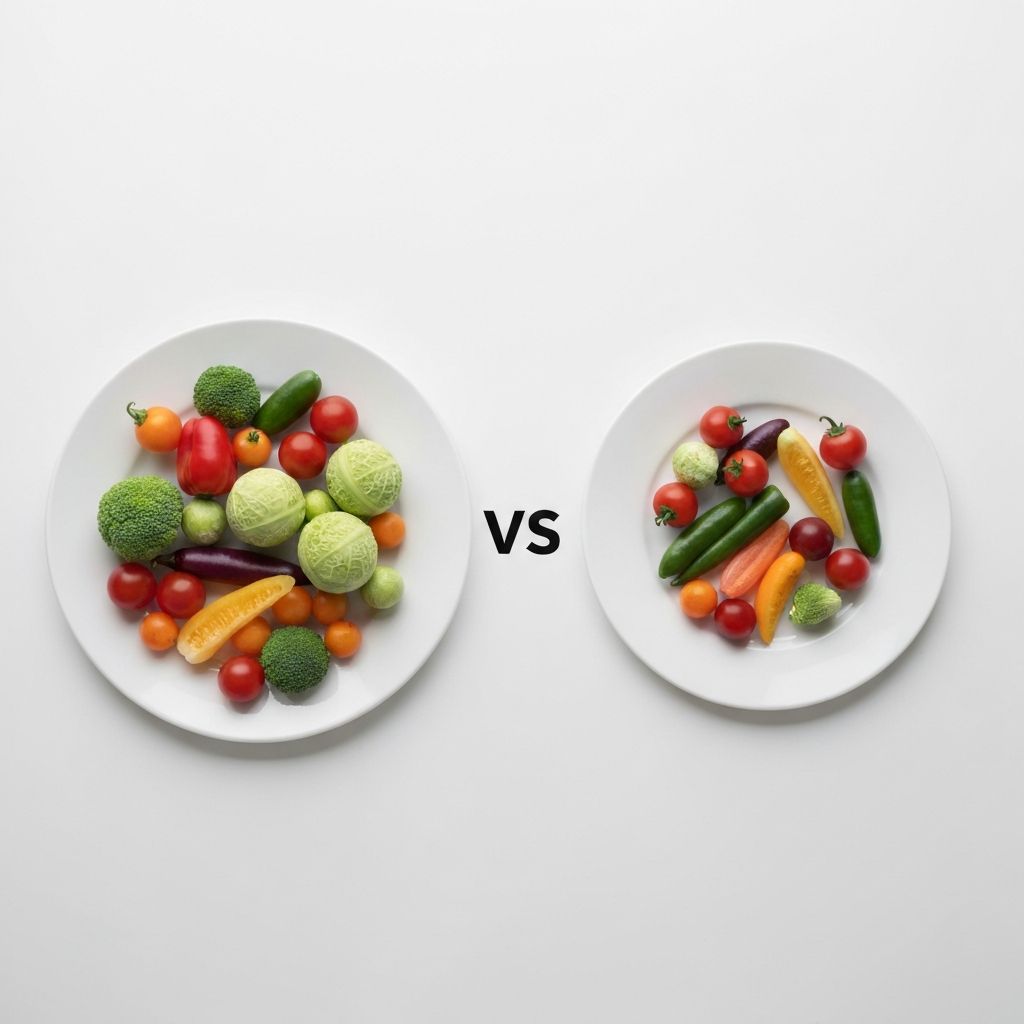
Project Introduction
The Portion Project is an independent educational initiative dedicated to exploring the science behind portion sizes and their role in energy intake and body weight physiology. This is an informational resource designed to examine evidence-based research and explain the psychological and physiological mechanisms underlying portion perception.
Our focus is strictly informational. We do not provide personal recommendations, dietary advice, or weight management solutions. This content exists to deepen understanding of how portion sizes are perceived and how they influence overall energy consumption patterns.
Portion Perception Psychology
How Visual Cues Influence Intake Estimation
Our perception of portion size is heavily influenced by visual and sensory cues rather than actual caloric content. The human brain relies on external signals—such as plate size, container volume, and package dimensions—to estimate quantity.
Research demonstrates that individuals often judge portion adequacy based on visual appearance and environmental context rather than precise measurement. This phenomenon, known as the portion size effect, has significant implications for understanding how people self-regulate food intake in everyday conditions.
Read the full research overview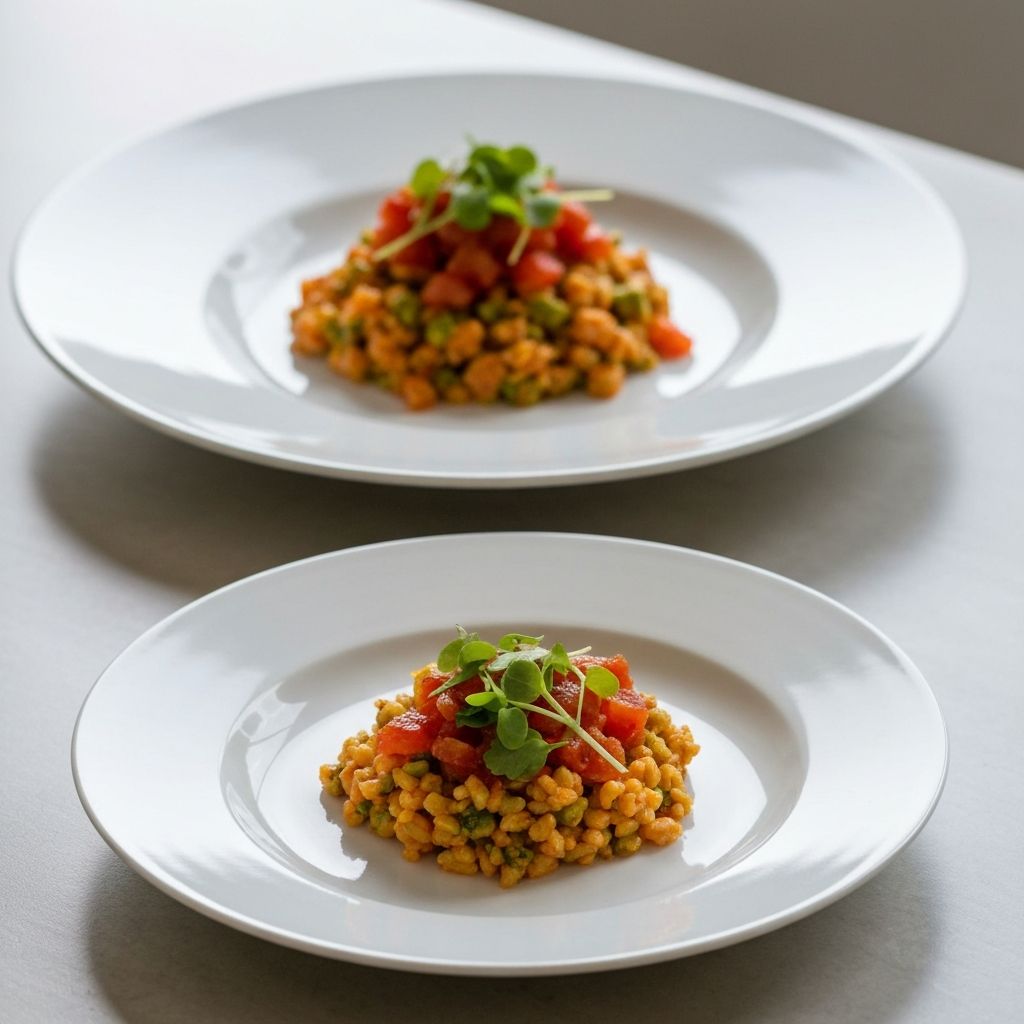
Energy Density and Volume
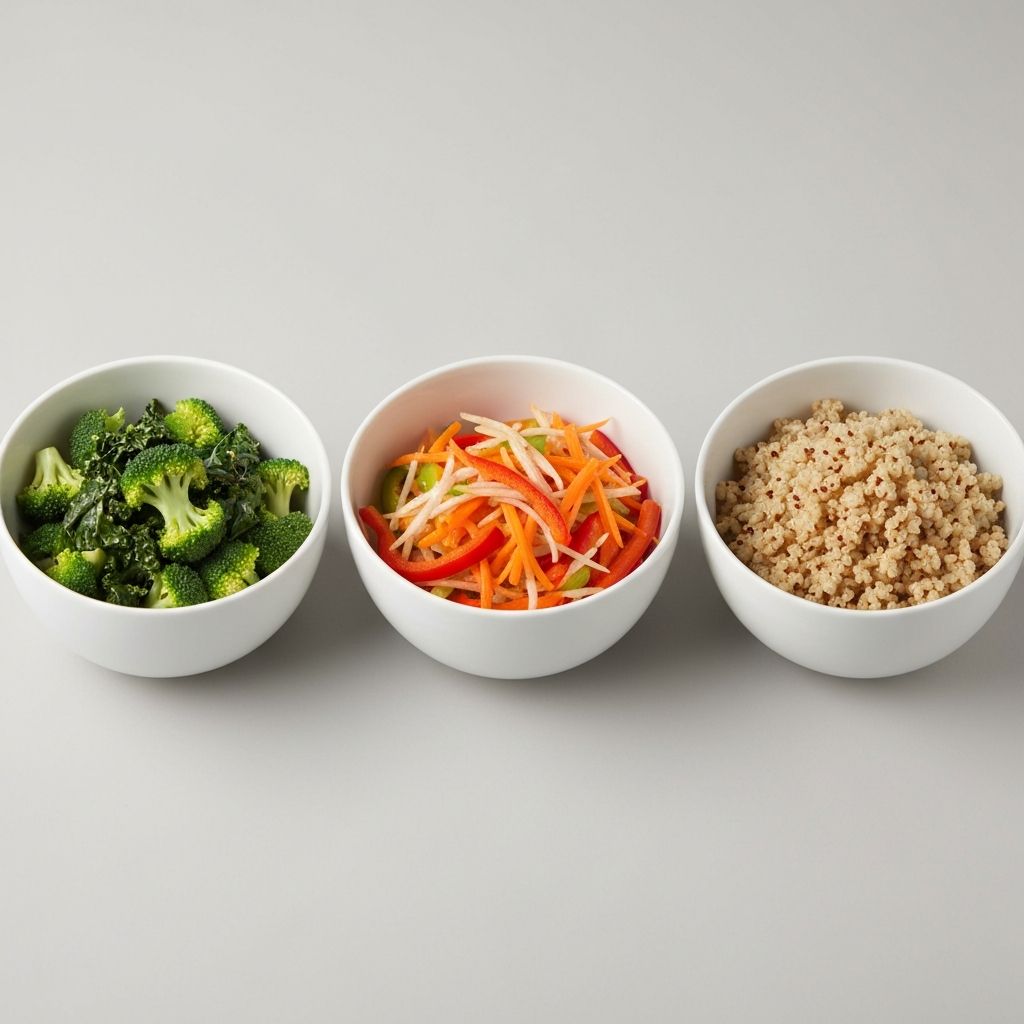
How Food Density Affects Satiety Perception
Energy density—the number of calories per unit of food volume—plays a crucial role in how the body and brain perceive satiation. Foods with low energy density (such as vegetables and fruits) provide larger volumes for fewer calories, potentially influencing satiety signals differently than energy-dense foods.
The relationship between food volume, density, and physiological fullness cues creates a complex interaction that influences total energy intake. Understanding these relationships is essential for comprehending why identical caloric amounts of different foods may produce varying satiation responses.
Explore this topicContainer Size Effect
How Plate and Bowl Size Influences Consumption
Numerous studies demonstrate that the physical size of serving containers significantly influences food consumption patterns. Individuals served food on larger plates or from larger packages tend to consume greater quantities, often without conscious awareness of the increase.
This effect appears to operate independently of actual portion size, suggesting that environmental design and container dimensions serve as powerful visual anchors for portion appropriateness. The container size effect illustrates how external environmental factors shape intake behavior in free-living conditions.
View the research summary
Historical Portion Trends
Analysis of historical serving size data reveals significant increases in typical portion sizes over recent decades, particularly in commercial food establishments and packaged products. This normalization of larger portions has influenced population-level consumption patterns and the baseline expectations individuals hold regarding meal size.
These trends demonstrate how cultural and commercial factors shape the standards by which people evaluate portion appropriateness. Understanding this historical context provides insight into how portion size norms are socially constructed and subject to change over time.
Sensory and Cognitive Factors
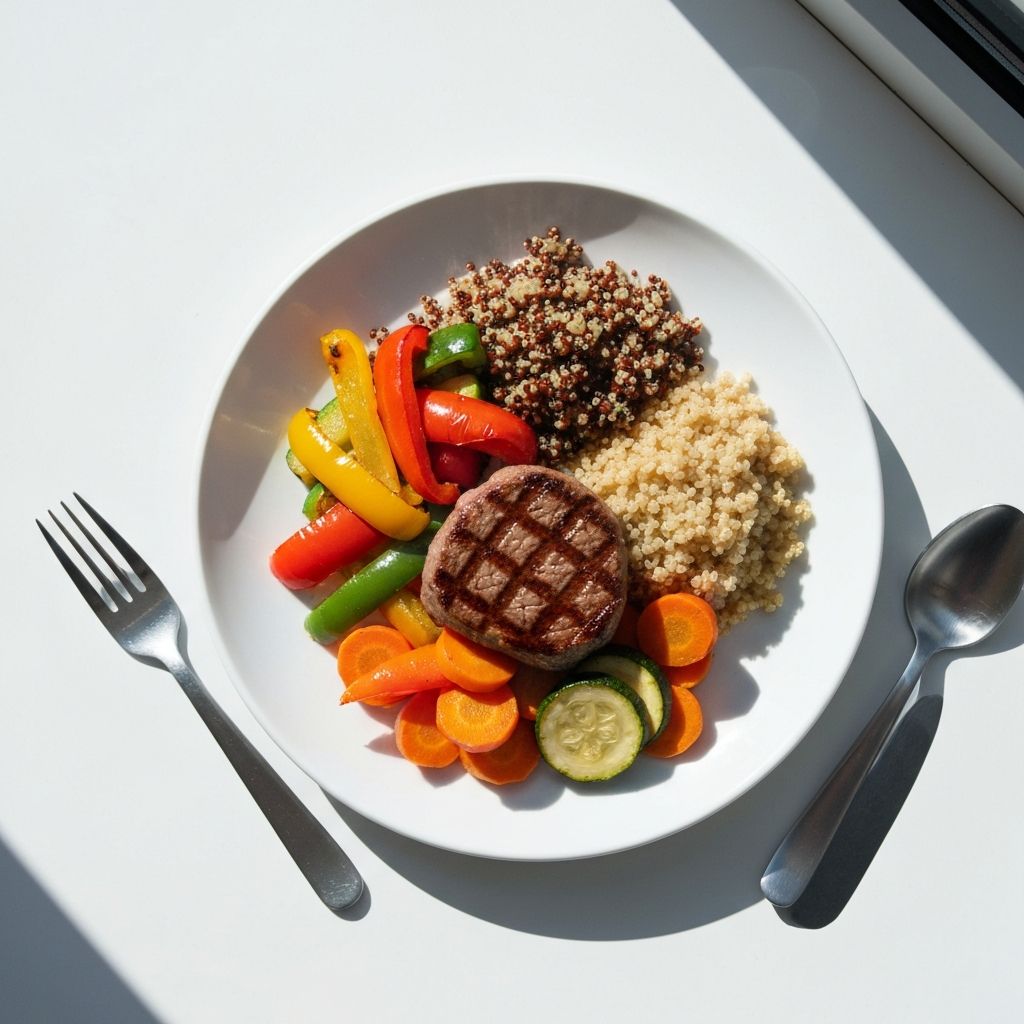
The Role of Attention and Expectation
Sensory attention and cognitive expectations substantially influence how individuals perceive and respond to portion sizes. Factors such as food color, texture variety, visual appeal, and environmental distractions all modulate the intake experience.
The brain's prediction systems actively shape what individuals expect regarding portion size based on contextual cues, prior experience, and attentional focus. This cognitive dimension of portion perception reveals that intake regulation involves complex interactions between sensory, cognitive, and physiological systems.
Learn more about the evidencePhysiological Satiety Signals
How Portion Size Impacts Hormonal Responses
The body's satiety regulation system involves multiple hormonal and neural signals that respond to food intake. Portion size can influence the magnitude and timing of these physiological responses, affecting overall energy balance regulation.
Larger portions may trigger different hormonal responses compared to smaller portions, even when consumed at the same meal. These physiological adaptations reflect the body's attempt to match energy intake with expenditure, though the precision of this regulation can be disrupted by environmental and behavioral factors.
See related studies
Research Summary on Energy Intake
The scientific literature provides consistent evidence that portion size significantly influences energy intake across diverse populations and food environments. This effect operates through multiple mechanisms including visual perception, cognitive evaluation, physiological signaling, and environmental design factors.
Importantly, portion size effects are not uniform across all individuals or all food types. Individual variation in responsiveness to portion size cues reflects differences in physiological sensitivity, learned food preferences, cognitive habits, and environmental exposure. The portion size effect should be understood as one among many factors influencing total energy intake in real-world contexts.
Featured Articles
Unit Bias in Portion Perception
Examination of how people judge portion appropriateness based on discrete units rather than actual quantity, and the implications for consumption patterns.
Read ArticleSupersizing and Energy Intake
Overview of research on how increasing food volumes influences total energy consumption and the mechanisms driving this effect.
Read ArticleSelf-Selected Portions in Free-Living
Discussion of how individuals choose portion sizes in natural food environments and factors influencing these self-regulation patterns.
Read ArticleVisual Illusions in Portion Judgment
Exploration of optical illusions and how container shape and color influence perception of portion adequacy.
Read ArticlePackage Size and Consumption
Analysis of research showing how packaging dimensions influence the quantity of food consumed from single-serving packages.
Read ArticlePortion Distortion Over Time
Review of population-level data demonstrating normalization of larger serving sizes and shifts in portion size norms.
Read ArticleFrequently Asked Questions
What is the portion size effect?
The portion size effect refers to the consistent finding that larger portions of food lead to greater consumption, even when individuals have ad libitum (unlimited) access. This effect appears robust across diverse food types, populations, and eating contexts.
How do container size and portion size differ?
Container size refers to the physical dimensions of serving vessels (plates, bowls, packages), while portion size refers to the actual quantity of food served. Research demonstrates that people often adjust their consumption based on container size, even when the actual food quantity remains constant.
Does portion perception vary between individuals?
Yes. Individual responses to portion size cues show substantial variation. Factors including age, eating experience, cognitive style, physiological sensitivity, and prior food exposure all influence how individuals respond to portion size manipulations.
What is energy density?
Energy density is the amount of calories provided per unit volume of food. Foods high in water and fiber content (like vegetables and fruits) have low energy density, while foods high in fat have high energy density.
Is there a "correct" portion size?
Portion sizes exist on a continuum, and "appropriate" portions vary substantially based on individual context, activity level, overall dietary patterns, food choices, and personal preference. There is no universal optimal portion size applicable to all individuals.
How does this information apply to real-world eating?
This information is presented for educational understanding of portion science. Real-world applications of portion science vary greatly among individuals and contexts. Individual food choices and eating patterns are determined by complex personal, social, economic, and physiological factors beyond portion size alone.
Explore Further
Browse our comprehensive research library to discover detailed explanations of portion science topics, evidence-based reviews, and scientific context for understanding how portion size influences energy intake and body weight physiology.
View All Articles